Sunday, January 19, 2020

behavior of material


3.0 Behavior  of Materials


1. Fracture (patah)

2. Creep (rayapan)

3. Fatigue

3.1 Ada 2 jenis Fracture (patah)

 
1. Patah mulur (Ductile Fracture) - Berlaku apabila suatu jasad dikenakan beban & berlaku perubahan plastik yang tinggi dengan penyerapan haba yang tinggi


2. Patah rapuh (Brittle Fracture) - Berlaku apabila suatu beban dikenakan di suatu jasad & tidak dapat menampung beban tersebut lalu berlaku perubahan plastik yang rendah


3.2 Creep 

a) Berlaku biasanya terdapat cacatan dalam bahan & cacatan ini bergerak melalui rayapan & ini berlaku disebabkan oleh daya


b) Biasanya terdedah kepada suhu yang sentiasa meningkat pada jangka masa yang lama

c) Pecah mengikut sempadan bijian

3.3 Apa yang menyebabkan Creep(rayapan) berlaku

1.Terdapat kecacatan dalam bahan yang merebak melalui sempadan bijian

2.Berlaku pergerakkan bijian dalam bahan

3.Berlaku kegelinciran di dalam bahan

3.4 Creep Curve

3.5 Fatigue

- Berlaku apabila bahan dikenakan beban secara berulang kali

3.6 Faktor yang menyebabkan kegagalan Fatigue

- Dikenakan tekanan yang cukup tinggi

- Sebilangan besar kitaran tekanan yang digunakan

- Suhu

- Tekanan gabungan


rajah 1

rajah 2


credit:DAHA
          :YNFYLO


Friday, January 10, 2020

MATERIALS PROPERTIES


Materials Properties
a) Ciri- ciri Fizikal
b) Ciri - ciri Thermal
c) Ciri - ciri Elektrik
d) Ciri – ciri Mekanikal

Ciri – Ciri Fizikal
-Sifat  objek atau bahan yang dapat diperhatikan.

Ciri- Ciri Thermal
-Sifat bahan yang menentukan bagaimana ia bertindak balas apabila didedahkan kepada haba yang berlebihan.

Ciri- Ciri Elektrik
-Sifat bahan yang boleh mengalirkan elektrik.

Ciri- Ciri Mekanikal
-Sifat yang bertindakbalas terhadap beban yang dikenakan.

Mechanical Properties
-Sifat bahan yang bertindakbalas terhadap beban yang dikenakan
-Sifat mekanikal digunakan untuk mengklasifikasikan dan mengenal pasti bahan
-Ciri-Ciri yang paling umum ialah kekuatan, kemuluran, keliatan, kekerasan, keanjalan, dll

Strength (kekuatan)
-Kebolehupayaan bahan untuk tidak gagal/rosak dibawah keadaan bekerja

Ductility ( Kemuluran )
-Kebolehupayaan bahan ditarik menjadi wayar, yang menyebabkan pemanjangan meningkat, diameter berkurang dengan penglibatan daya tegangan

Malleability ( boleh tempa )
-Kebolehupayaan bahan yang boleh diketuk menjadi kepingan yang nipis di bawah tegasan mampatan

Brittleness ( Kerapuhan )
-Sifat bahan yang tidak boleh menerima beban, tegangan atau mampatan secara tiba-tiba

Elasticity ( Keanjalan )
-Kebloehupayaan bahan berbalik ke bentuk asal selepas dikenakan beban.
Plasticity (Keplastikan )
-Ketidakbolehupayaan bahan untuk kembali ke bentuk asal selepas beban dibuang, bentuk kekal.

Toughness (Kekuatan )
-Kebolehupayaan bahan menyerap tenaga selepas dikenakan daya hentaman.

Hardness ( Kekerasan )
-Kebolehupayaan bahan menentang cakaran dan lengkokan atau tindakan kimia pada permukaan bahan

Machinability (Kebolehkerjaan )
-Kebolehupayaan bahan yang boleh dibentuk dengan menggunakan mesin contohnya mesin rolling, cnc dan lain-lain.

Stiffness ( Ketegaran )
-Kebolehupayaan bahan untuk menentang perubahan bentuk elastik

Resilence ( Daya Hentaman )
-Kebolehupayaan bahan untuk menentang perubahan elastik.


credit:YNFYLO
          :ROZIDIE

Wednesday, January 1, 2020

INTRODUCTION OF MATERIAL SCIENCE

MATERIAL SCIENCE

CLASIFICATION OF MATERIALS

  1. METAL
  2. CERAMICS
  3. POLYMERS
  4. COMPOSITE
  5. ADVANCE MATERIALS

METAL

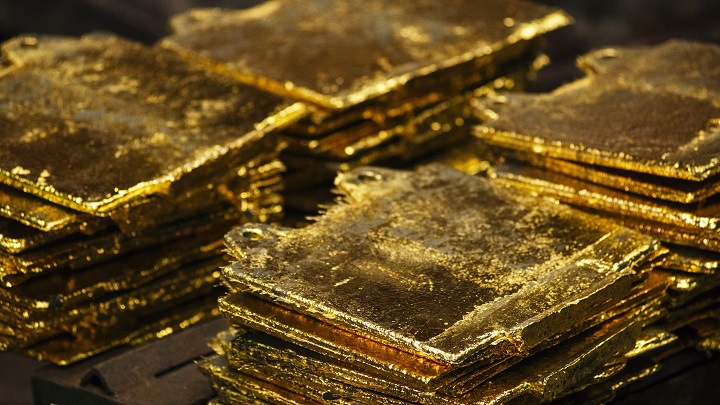
Metal is opaque, lustrous elements that are good conduct of heat and electricity. Most metals are 


Hasil carian imej untuk metal


CERAMICS


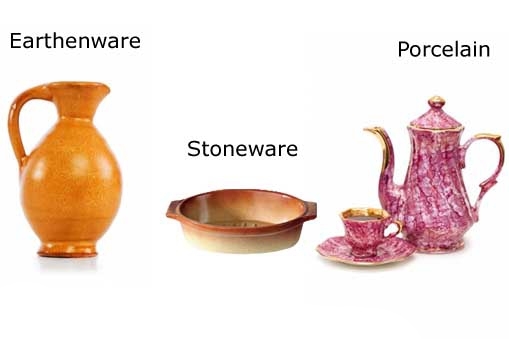
ceramic is an inorganic non-metallic solid made up of either metal or non-metal compounds that have been shaped and then hardened by heating to high temperatures. In general, they are hard, corrosion-resistant and brittle.
'Ceramic' comes from the Greek word meaning ‘pottery’. The clay-based domestic wares, art objects and building products are familiar to us all, but pottery is just one part of the ceramic world.
Nowadays the term ‘ceramic’ has a more expansive meaning and includes materials like glass, advanced ceramics and some cement systems as well.


POLYMERS


Polymers are materials made of long, repeating chains of molecules. The materials have unique properties, depending on the type of molecules being bonded and how they are bonded. Some polymers bend and stretch, like rubber and polyester. Others are hard and tough, like epoxies and glass.

Polymers touch almost every aspect of modern life. Chances are most people have been in contact with at least one polymer-containing product -from water bottles to gadgets to tires - in the last five minutes.

The term polymer is often used to describe plastics, which are synthetic polymers. However, natural polymers also exist; rubber and wood, for example, are natural polymers that consist of a simple hydrocarbon, isoprene,. Proteins are natural polymers made up of amino acids, and nucleic acids (DNA and RNA) are polymers of nucleotides - complex molecules composed of nitrogen-containing bases, sugars and phosphoric acid, for example.


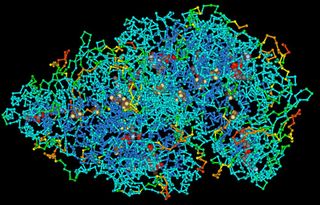
Polypeptide


Chemical structure of a polypeptide — a long chain of amino acids — forming a protein macromolecule


COMPOSITE

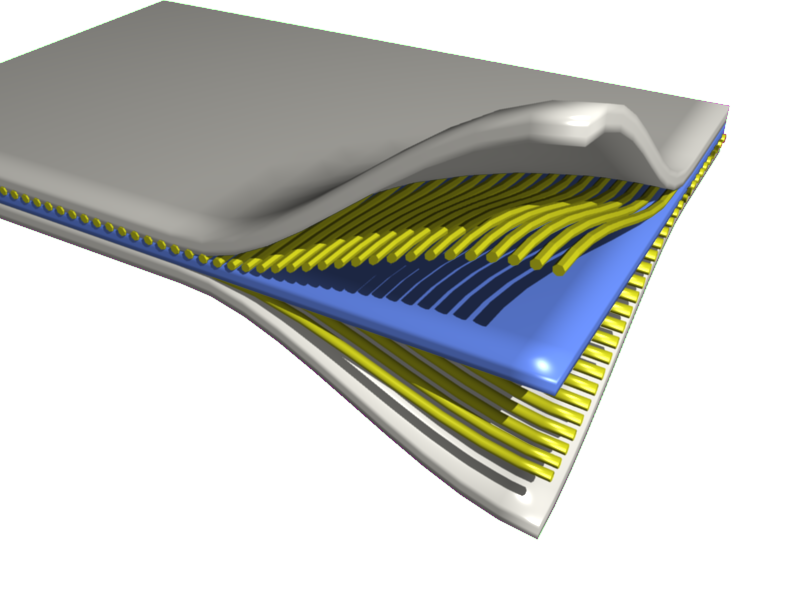
composites are a combination of components. In our industry, composites are materials made by combining two or more natural or artificial elements (with different physical or chemical properties) that are stronger as a team than as individual players. The component materials don’t completely blend or lose their individual identities; they combine and contribute their most useful traits to improve the outcome or final product. Composites are typically designed with a particular use in mind, such as added strength, efficiency or durability.


Hasil carian imej untuk WHAT IS COMPOSITE


ADVANCED MATERIAL


present that exhibit greater strength, higher strength-density ratios, greater hardness, and/or one or more superior thermal, electrical, optical, or chemical properties, when compared with traditional materials and with properties needed to perform a specific function and often entirely new functions.


Hasil carian imej untuk advanced materials
CREDIT_YNFYLO


TYPES OF MATERIALS


A material is a substance that people find useful such that it is produced for
economic reasons.Materials are commonly used to produce parts,components and products.They are also used to build infrastructure, buildings and landscapes. Materials can also be consumed in processes such as farming and
manufacturing 


Hasil carian imej untuk metal


-Metals and alloys such as iron, aluminum, titanium,copper, tin, nickel, silver,
gold, steel, brass and bronze.


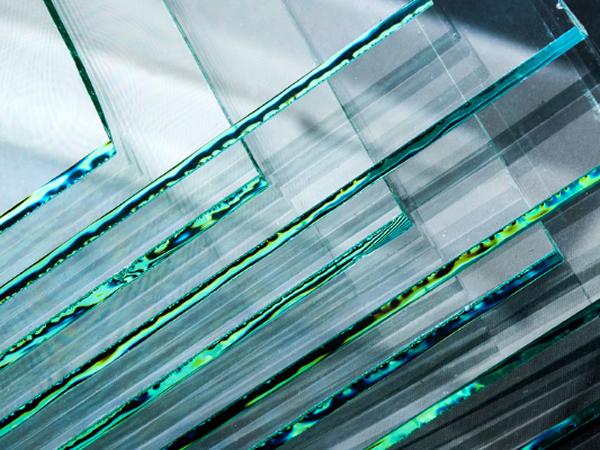
Hasil carian imej untuk glass

-Glass is a solid material that is often based on the chemical compound silica that is a naturally occurring type of sand. Glass is valued for its transparency
and hardness and is used to make a wide range of products including
windows, glassware and fibre optic cables.


Hasil carian imej untuk composite materials

-Composite materials is Combining materials with different properties to produce materials that are strong, light and/or cheap. Examples include reinforced concrete
composed of steel and concrete, composite wood made from wood fiber and
adhesives, reinforced plastic such as plastics strengthened with carbon
fiber and ceramic matrix composites made with.


CREDIT_YNFYLO

behavior of material

3.0 Behavior   of Materials     1. Fracture (patah) 2. Creep (rayapan) 3. Fatigue 3.1 Ada 2 jenis Fracture (patah)   ...