MATERIAL SCIENCE
CLASIFICATION OF MATERIALS
- METAL
- CERAMICS
- POLYMERS
- COMPOSITE
- ADVANCE MATERIALS
METAL
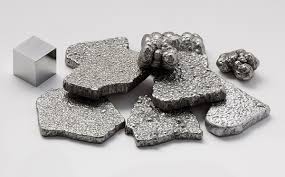
Metal is opaque, lustrous elements that are good conduct of heat and electricity. Most metals are

CERAMICS
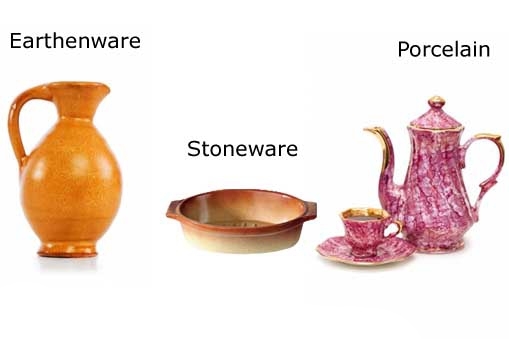
A ceramic is an inorganic non-metallic solid made up of either metal or non-metal compounds that have been shaped and then hardened by heating to high temperatures. In general, they are hard, corrosion-resistant and brittle.
Polymers are materials made of long, repeating chains of molecules. The materials have unique properties, depending on the type of molecules being bonded and how they are bonded. Some polymers bend and stretch, like rubber and polyester. Others are hard and tough, like epoxies and glass.
Polymers touch almost every aspect of modern life. Chances are most people have been in contact with at least one polymer-containing product -from water bottles to gadgets to tires - in the last five minutes.
The term polymer is often used to describe plastics, which are synthetic polymers. However, natural polymers also exist; rubber and wood, for example, are natural polymers that consist of a simple hydrocarbon, isoprene,. Proteins are natural polymers made up of amino acids, and nucleic acids (DNA and RNA) are polymers of nucleotides - complex molecules composed of nitrogen-containing bases, sugars and phosphoric acid, for example.
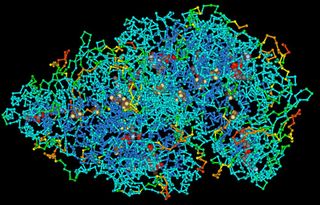
Chemical structure of a polypeptide — a long chain of amino acids — forming a protein macromolecule
COMPOSITE
composites are a combination of components. In our industry, composites are materials made by combining two or more natural or artificial elements (with different physical or chemical properties) that are stronger as a team than as individual players. The component materials don’t completely blend or lose their individual identities; they combine and contribute their most useful traits to improve the outcome or final product. Composites are typically designed with a particular use in mind, such as added strength, efficiency or durability.

ADVANCED MATERIAL
present that exhibit greater strength, higher strength-density ratios, greater hardness, and/or one or more superior thermal, electrical, optical, or chemical properties, when compared with traditional materials and with properties needed to perform a specific function and often entirely new functions.

CREDIT_YNFYLO
CERAMICS
A ceramic is an inorganic non-metallic solid made up of either metal or non-metal compounds that have been shaped and then hardened by heating to high temperatures. In general, they are hard, corrosion-resistant and brittle.
'Ceramic' comes from the Greek word meaning ‘pottery’. The clay-based domestic wares, art objects and building products are familiar to us all, but pottery is just one part of the ceramic world.
Nowadays the term ‘ceramic’ has a more expansive meaning and includes materials like glass, advanced ceramics and some cement systems as well.
POLYMERS
Polymers are materials made of long, repeating chains of molecules. The materials have unique properties, depending on the type of molecules being bonded and how they are bonded. Some polymers bend and stretch, like rubber and polyester. Others are hard and tough, like epoxies and glass.
Polymers touch almost every aspect of modern life. Chances are most people have been in contact with at least one polymer-containing product -from water bottles to gadgets to tires - in the last five minutes.
The term polymer is often used to describe plastics, which are synthetic polymers. However, natural polymers also exist; rubber and wood, for example, are natural polymers that consist of a simple hydrocarbon, isoprene,. Proteins are natural polymers made up of amino acids, and nucleic acids (DNA and RNA) are polymers of nucleotides - complex molecules composed of nitrogen-containing bases, sugars and phosphoric acid, for example.
Chemical structure of a polypeptide — a long chain of amino acids — forming a protein macromolecule
COMPOSITE
composites are a combination of components. In our industry, composites are materials made by combining two or more natural or artificial elements (with different physical or chemical properties) that are stronger as a team than as individual players. The component materials don’t completely blend or lose their individual identities; they combine and contribute their most useful traits to improve the outcome or final product. Composites are typically designed with a particular use in mind, such as added strength, efficiency or durability.
ADVANCED MATERIAL
present that exhibit greater strength, higher strength-density ratios, greater hardness, and/or one or more superior thermal, electrical, optical, or chemical properties, when compared with traditional materials and with properties needed to perform a specific function and often entirely new functions.
CREDIT_YNFYLO


No comments:
Post a Comment